Published August 21, 2026 / Updated August 21, 2026 / By MattressProducts.com Editorial Team
Start with the problem you want to solve: a bed that takes up too much space, an uncomfortable pillow, or bedding that feels too warm. Choose a calculator or guide below, then work through the details you need.
Start here
Bedroom setup by upgrade type
Use these guides when the mattress is only one part of the sleep system you need to fix.
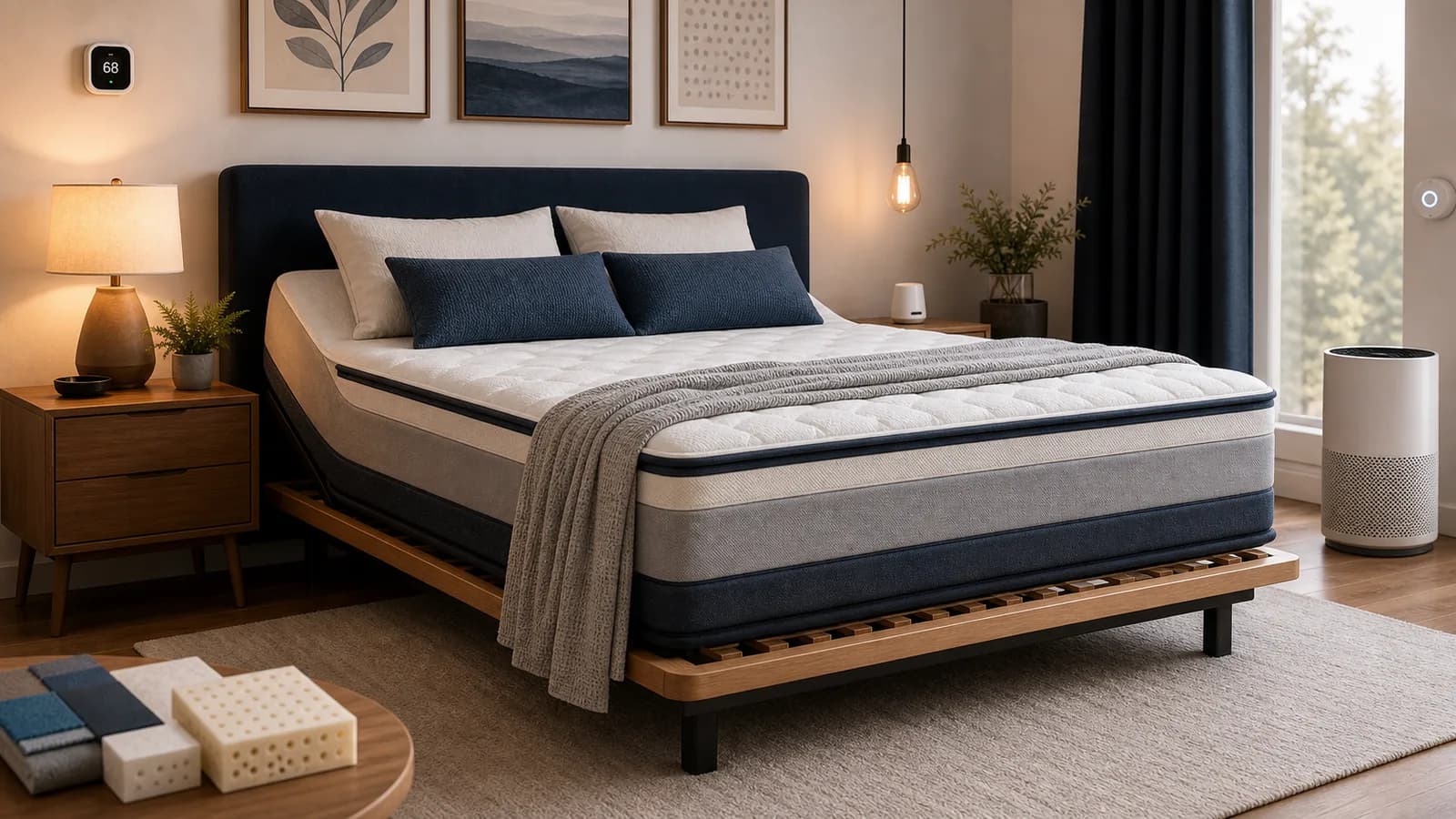
An optimized bedroom setup is more than an interior design choice. It is a mechanical, thermal, light, and air-quality system that affects spinal alignment, pressure relief, heat dissipation, and sleep consistency. Even the best mattress underperforms with the wrong foundation, pillow, protector, lighting, or room climate.
Think of your sleep setup as a chain. The mattress manages body load; the base keeps the mattress from deflecting; the pillow controls cervical alignment; the protector and sheets control moisture and heat; the room controls light, temperature, particulates, and volatile organic compounds.
Clinical-style warning: do not design the bedroom around looks first
A beautiful platform bed with weak center support, a thick heat-trapping protector, bright blue-heavy bedside light, and low-emission claims that are never verified can sabotage an otherwise good mattress. Treat support, airflow, low-VOC materials, and lighting as first-order requirements, then choose the style.
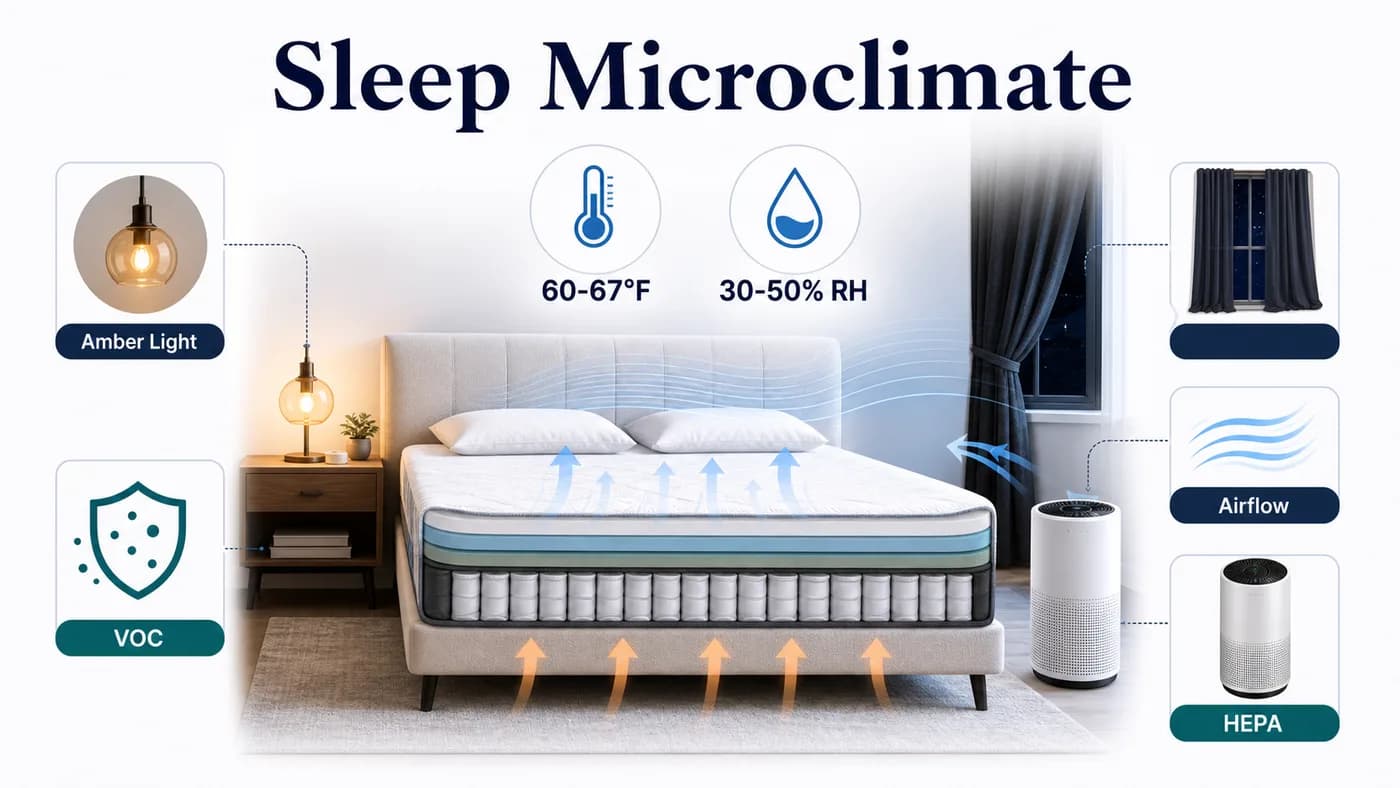
Sleep system architecture
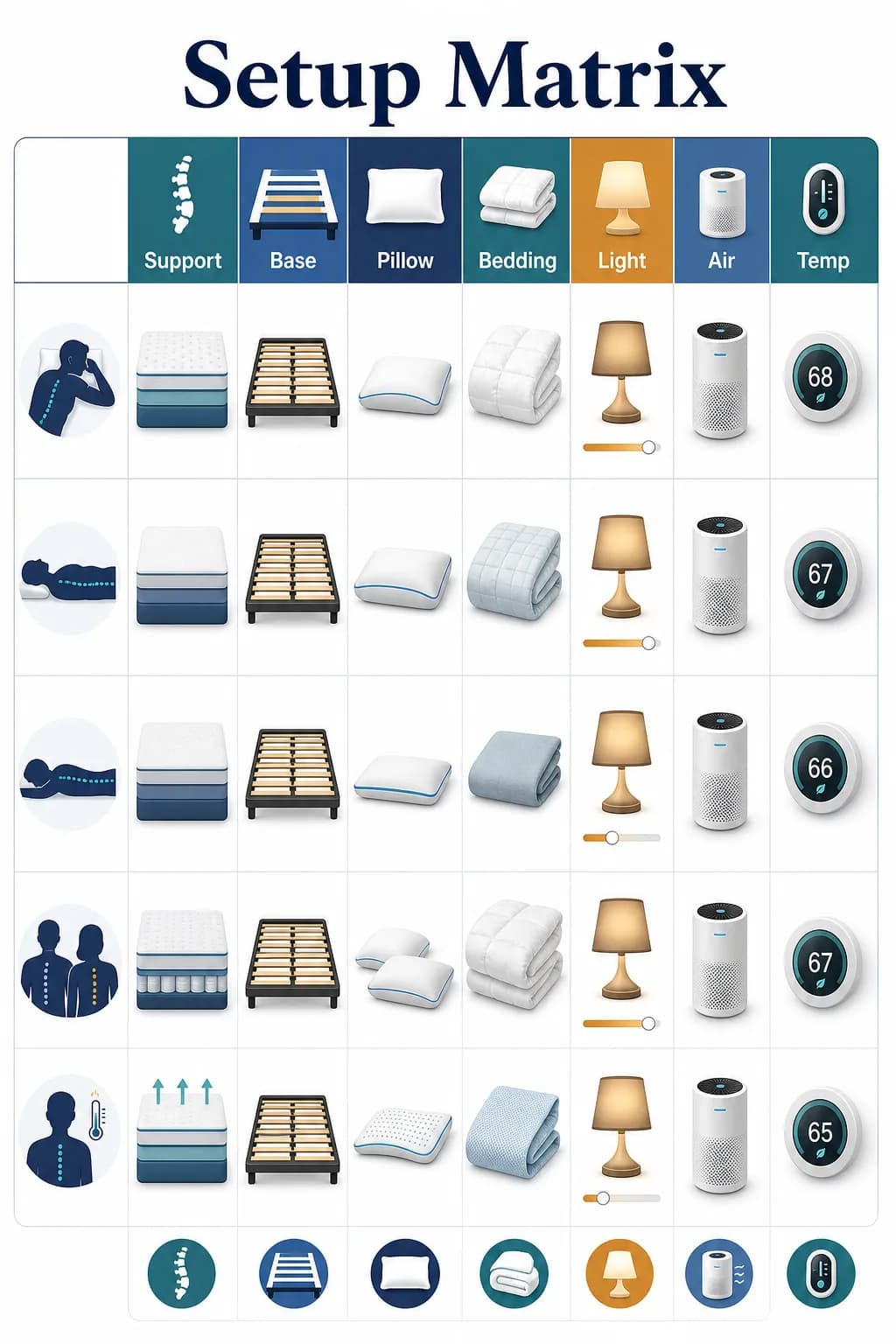
2. Bedroom setup selector matrix
Start with the failure point: support, base, pillow, bedding, light, air, or temperature. This prevents the common mistake of buying a new mattress when the real issue is a weak foundation, wrong pillow loft, or heat-trapping bedding.
Layer
Engineering role
What to verify
Support surface
Mattress comfort layer, transition layer, and support core should match body weight and sleep position
Look for ILD context, foam density, coil gauge, zoning, and warranty indentation threshold
Foundation
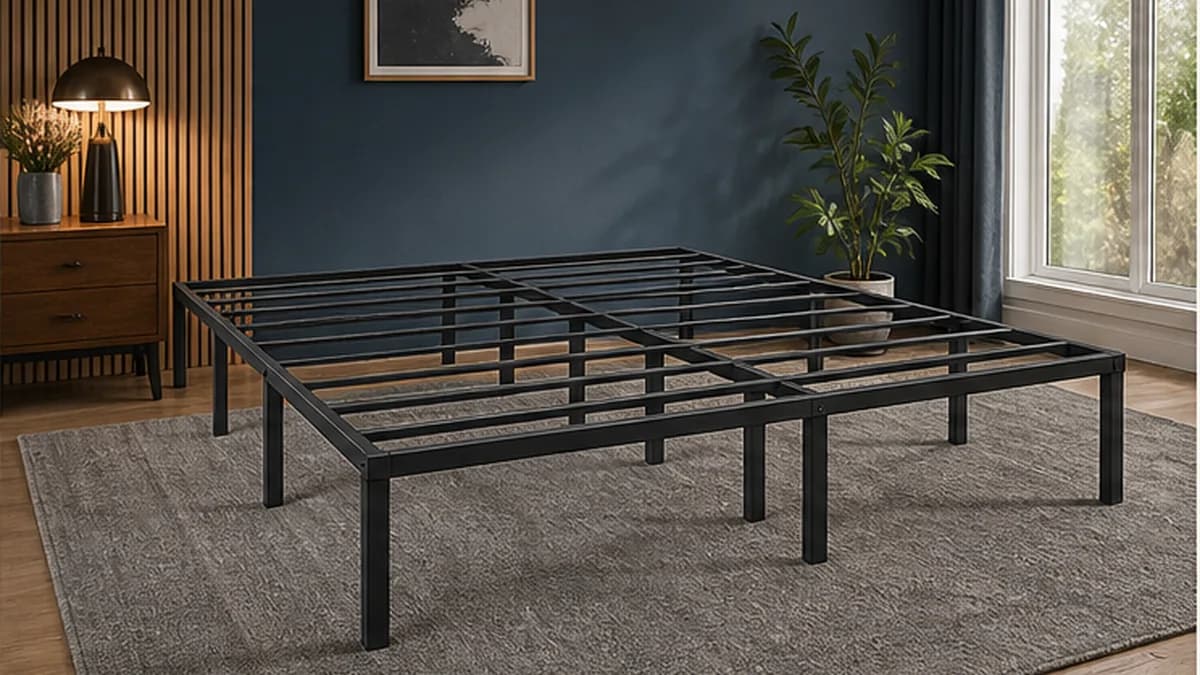
Slat gap should usually stay at or below about 2.75-3 inches unless the mattress warranty states otherwise
Verify center support legs, rail rigidity, platform compatibility, and adjustable-base clearance
Pillow system
Loft changes with sleep position and mattress sink; side sleepers need the highest fill height
Match pillow loft to shoulder gap, mattress firmness, and neck posture
Bedding and protector
Breathable waterproofing, textile certification, and pocket depth matter more than thread count alone
Prefer TPU membranes, OEKO-TEX textiles where possible, and sheets that match hot/cool sleeper needs
Microclimate
Temperature, humidity, airflow, and textile moisture handling determine whether a cooling mattress can perform
Compatibility routes for the complete sleep system
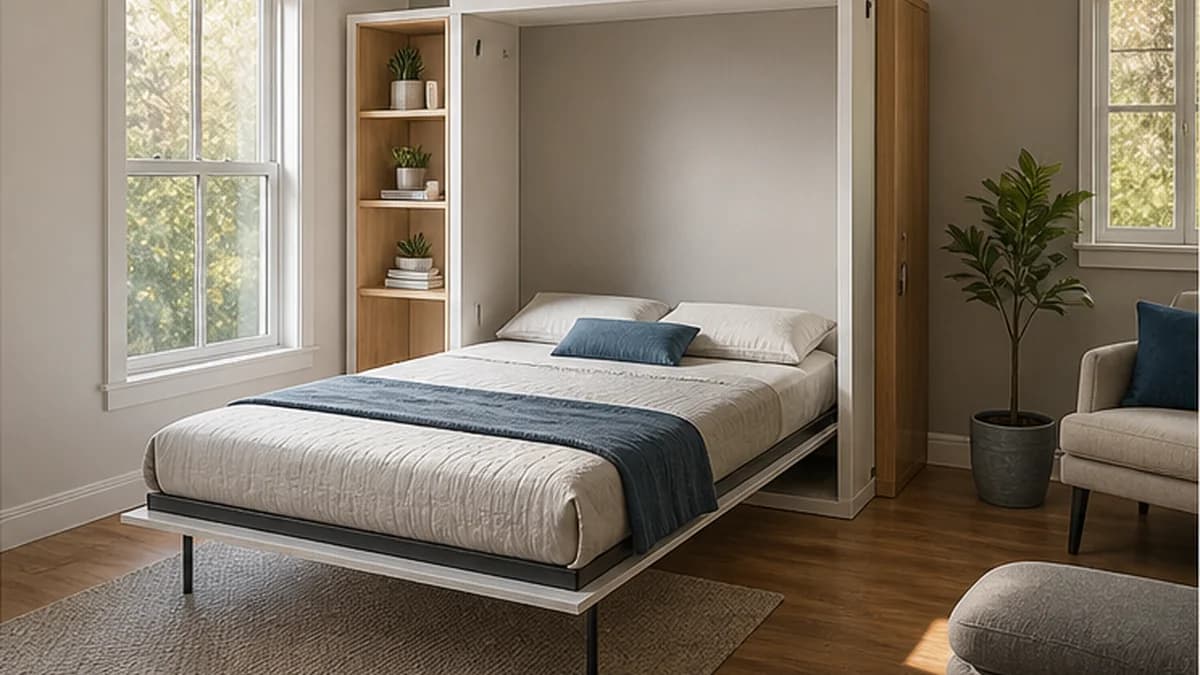
Choose the physical system before the comfort story. These guides start with the constraint that can make an otherwise good mattress unusable: movement, support geometry, cabinet clearance, load path, room rules, or repeatable operations.
Your pillow should maintain neutral neck alignment matching your mattress and sleep position. The wrong pillow can cause neck pain, headaches, and poor sleep quality regardless of mattress quality.
Side sleepers
Loft: 4-6 inches (high loft)
Fill type: Memory foam, down alternative, or latex
Need enough height to fill shoulder gap and keep neck aligned
Back sleepers
Loft: 3-4 inches (medium loft)
Fill type: Shredded foam, latex, or down
Medium support with slight neck cradle; avoid too-thick pillows
Stomach sleepers
Loft: 2 inches or less (low loft)
Fill type: Soft down, thin foam, or no pillow
Ultra-thin to prevent neck hyperextension
Combination sleepers
Loft: Adjustable fill
Fill type: Shredded foam with zipper access
Add or remove fill to adapt as you shift positions
Replace pillows every 1-2 years or when they no longer spring back to shape. Fold test: if a pillow stays folded, it’s time for replacement.
Your foundation affects mattress performance, warranty validity, and bedroom aesthetics. The wrong foundation can cause premature sagging, void warranties, and reduce comfort.
Foundation check before you buy accessories
A mattress can feel too soft or uneven when the support underneath is the failure point. Confirm slat spacing, center legs, rail rigidity, platform deflection, and adjustable-base compatibility before diagnosing the mattress itself.
Platform Bed
Pros
Solid support
No box spring needed
Modern aesthetic
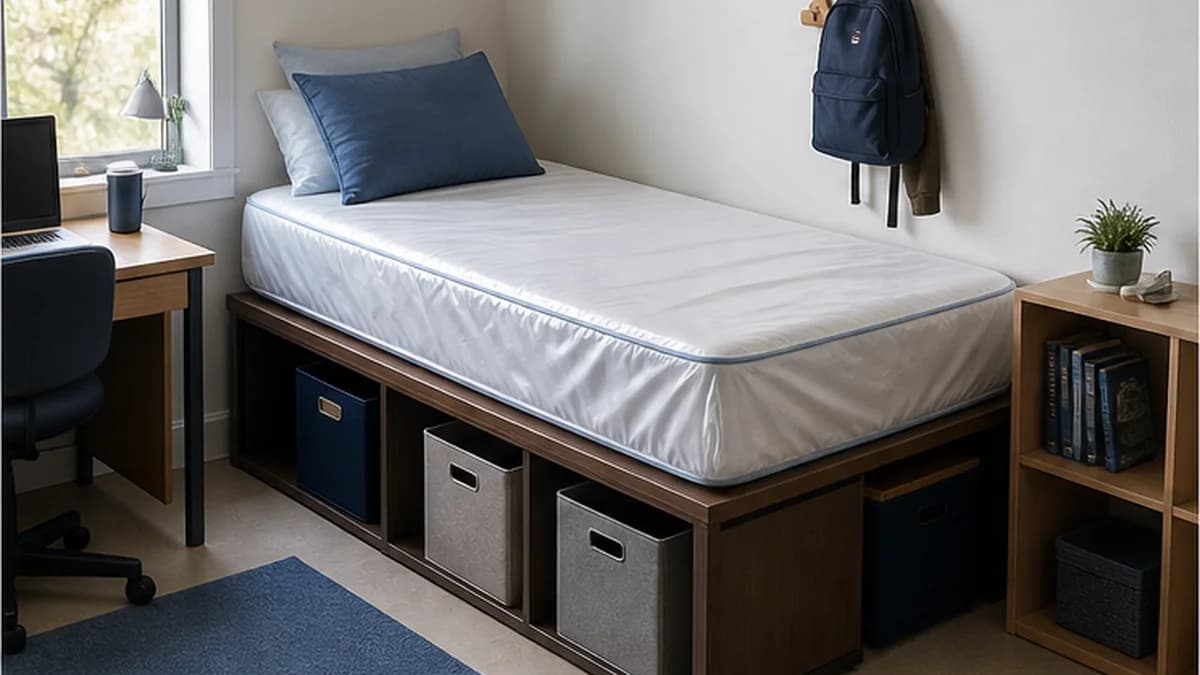
Storage options
Cons
Less airflow than slats
Heavier to move
Best for: Memory foam, hybrid, and latex mattresses
Slatted Frame
Pros
Good ventilation
Lighter weight
Budget-friendly
Cons
Slats must be <3 inches apart
May void warranty if too far apart
Best for: All mattress types with proper slat spacing
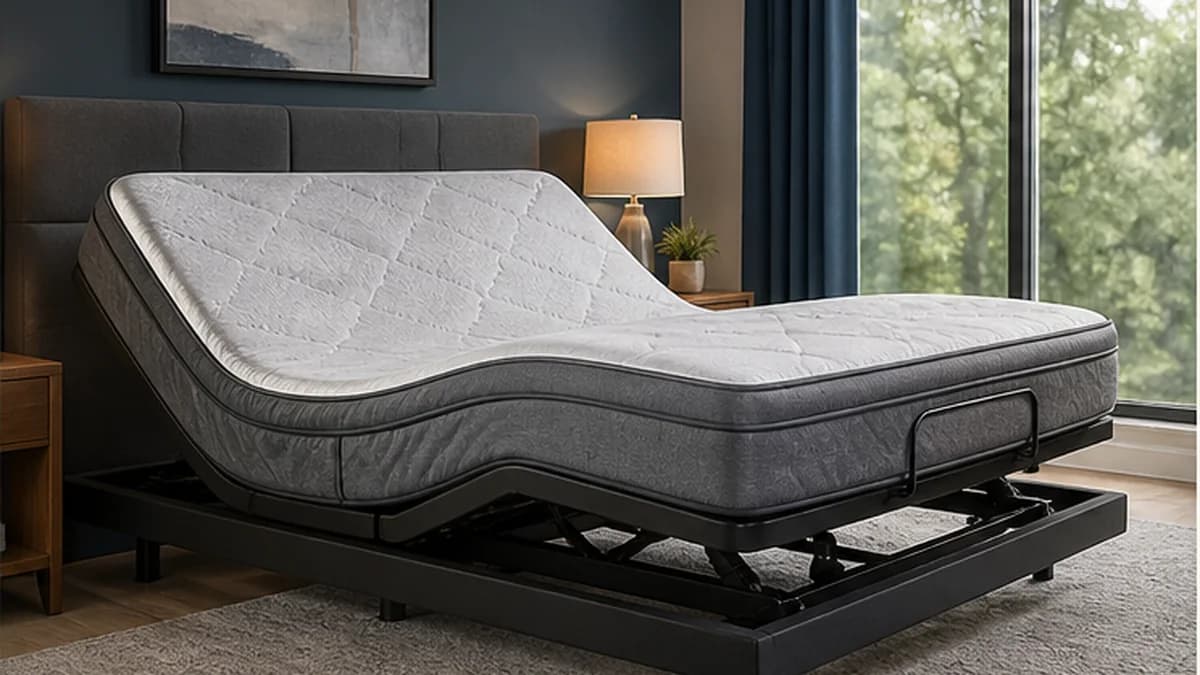
Adjustable Base
Pros
Head/foot elevation
Zero-gravity position
TV/reading comfort
Cons
Higher cost
Requires compatible mattress
Best for: Back pain relief, sleep apnea, acid reflux
Toppers add or modify comfort without replacing your mattress. They’re ideal for adjusting firmness, adding cooling, or extending mattress life. For pull-out couches, replace the foldable mattress first with a properly sized sofa bed mattress because most toppers will not close inside the mechanism.
Memory Foam
2-4 inches of pressure relief. Adds plush feel and contouring. Best for firmer mattresses.
Price: $100-300
Latex
Responsive bounce with cooling. More durable than foam. Natural and hypoallergenic options.
Price: $150-400
Wool/Down
Temperature regulating and soft. Adds luxury feel without changing firmness significantly.
Quality bedding enhances comfort and protects your investment. A good protector is essential—many warranties require one, and it guards against spills, allergens, and dust mites.
Item
Purpose
Tips
Priority
Mattress Protector
Protect against spills, allergens, and dust mites
Choose waterproof but breathable; essential for warranty validity
Essential
Fitted Sheet
Comfort layer and easy cleaning
Deep-pocket for thick mattresses; 100% cotton or bamboo for cooling
Essential
Flat Sheet
Temperature regulation layer
Percale for cool sleepers; sateen for warmth seekers
Recommended
Duvet/Comforter
Primary warmth layer
Consider seasonal weight; down alternative for allergies
Essential
Duvet Cover
Protect duvet and easy style changes
Match thread count to sheets; button or zipper closure
Recommended
Pillowcases
Pillow protection and comfort
Silk or satin reduces hair friction; cotton for easy care
Your bedroom environment affects sleep quality as much as your bed. Treat temperature, humidity, light, VOC exposure, particulates, and airflow as one microclimate system instead of separate decor choices.
Temperature
Ideal: 60-67°F (15.6-19.4°C)
Use a programmable thermostat; the target supports the body's normal overnight core-temperature decline
Lighting
Ideal: Dark sleep period, warm pre-bed light
Use blackout curtains and low, amber light under 2200K in the final wind-down window
Sound
Ideal: Quiet or consistent white noise
Use consistent masking only when needed; vibration and partner disturbance often start at the frame or base
This range helps comfort, textile drying, and dust-mite control better than a damp or over-dry bedroom
For materials, read certification language carefully: CertiPUR-US applies to polyurethane foam, OEKO-TEX Standard 100 applies to tested textiles, GREENGUARD Gold addresses low chemical emissions, and GOTS/GOLS apply to organic textiles or latex supply chains. Certifications improve transparency, but they do not replace comfort testing or warranty checks.
Direct Amazon product checks
9. Bedroom setup products worth checking
These are product-specific Amazon CTAs for the most common setup gaps: adjustable support, pillow loft, mattress protection, and cooling bedding. Verify the current variant, seller, price, and return terms before purchase.
Direct Amazon product CTA
Lucid L300 Adjustable Bed Frame
A value adjustable-base benchmark for head/foot elevation, remote control, USB, memory position, and setup compatibility.
Adjustable baseMemory positionUSB
Use when the bedroom setup needs head/foot elevation rather than only a static frame.
Verify the current size, platform compatibility, return terms, and whether a Twin XL variant is selected.
Check whether your mattress warranty allows use on an adjustable base.
Use the listing as the source of truth for current price tier, seller, delivery window, and return terms.
Prices, coupons, availability, shipping, and return terms change often. Confirm current details on Amazon before purchase. As an Amazon Associate, we earn from qualifying purchases.
Direct Amazon product CTA
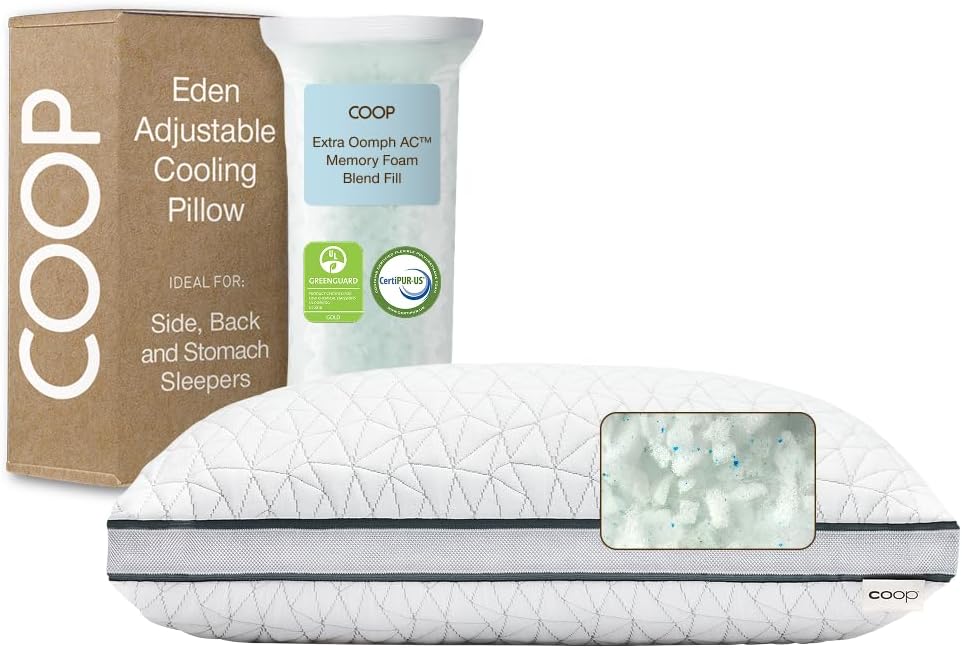
Coop Home Goods Eden Queen Pillow
A premium adjustable pillow benchmark with cooling gel memory foam and CertiPUR-US/GREENGUARD Gold language.
Adjustable loftCooling foamCertiPUR-US
Best as a pillow-loft benchmark when one setup must work for side, back, stomach, or combination sleeping.
Use the first week to remove or add fill based on morning neck and shoulder feedback.
Confirm current fill, cover, certification language, and return policy on Amazon.
Use the listing as the source of truth for current price tier, seller, delivery window, and return terms.
Prices, coupons, availability, shipping, and return terms change often. Confirm current details on Amazon before purchase. As an Amazon Associate, we earn from qualifying purchases.
Direct Amazon product CTA
SafeRest Waterproof Queen Mattress Protector
A fitted waterproof protector benchmark for spill protection, warranty protection, and washable hygiene.
WaterproofFitted protectorMachine washable
Use as the baseline protector category: a bedroom setup is incomplete if the mattress is unprotected.
Verify pocket depth against mattress plus topper height before ordering.
Avoid high-heat drying if the care label warns it can damage waterproofing.
Use the listing as the source of truth for current price tier, seller, delivery window, and return terms.
Prices, coupons, availability, shipping, and return terms change often. Confirm current details on Amazon before purchase. As an Amazon Associate, we earn from qualifying purchases.
Direct Amazon product CTA
Bedsure Queen Cooling Sheet Set
A cooling sheet benchmark using rayon derived from bamboo for hot sleepers and breathable bedding setups.
Cooling sheetsBamboo-derived rayonDeep pocket
Use when the mattress sleeps acceptably but bedding traps heat or moisture.
Confirm pocket depth, fabric language, wash instructions, and color/size variant before checkout.
Pair with a breathable protector; sheets alone cannot fix a heat-trapping waterproof layer.
Use the listing as the source of truth for current price tier, seller, delivery window, and return terms.
Prices, coupons, availability, shipping, and return terms change often. Confirm current details on Amazon before purchase. As an Amazon Associate, we earn from qualifying purchases.
10. Complete setup checklist
Use this checklist when setting up or upgrading your sleep environment:
☐Foundation: Verify mattress warranty requirements; check slat spacing if applicable
☐Protector: Waterproof and breathable; install before first use
☐Pillow: Match loft to sleep position; replace if failed fold test
☐Sheets: Deep-pocket fitted sheet; material matched to temperature needs
☐Room temperature: Test 60-67°F and adjust for bedding, climate, and personal needs
☐Humidity and air: Aim for 30-50% RH, ventilation, washable textiles, and HEPA filtration when dust or pollen is an issue
☐Light blocking: Blackout curtains or sleep mask ready; use dim amber lighting before bed
☐Maintenance schedule: Set reminders for rotation and deep cleaning
11. FAQ
What is the ideal bedroom temperature for sleep?
A practical target for many sleepers is about 60-67°F, with personal adjustment for bedding, climate, age, and health needs. The goal is to support the body's normal overnight cooling without causing shivering or heavy blanket compensation.
What slat spacing should a mattress foundation have?
Many modern mattress warranties expect slats no more than about 2.75-3 inches apart, plus center support for queen and king sizes. Always check the exact warranty because wide gaps can cause sagging or pocket-coil nesting.
How does pillow loft affect spinal alignment?
Pillow loft controls neck angle. Side sleepers usually need higher loft to fill the shoulder gap, back sleepers need medium support, and stomach sleepers need very low loft to avoid neck extension.
Which certifications matter for bedroom setup materials?
CertiPUR-US is relevant for polyurethane foams, OEKO-TEX Standard 100 for textiles, GREENGUARD Gold for low emissions, and GOTS/GOLS for organic textiles or latex. These do not guarantee comfort, but they improve material transparency.
Do I need an air purifier in the bedroom?
Not every bedroom needs one, but a HEPA purifier can help if dust, pet dander, pollen, smoke, or poor ventilation affects sleep comfort. It works best with washable bedding, lower clutter, and routine cleaning.
12. Related guides
Dive deeper into specific topics with our detailed guides: